

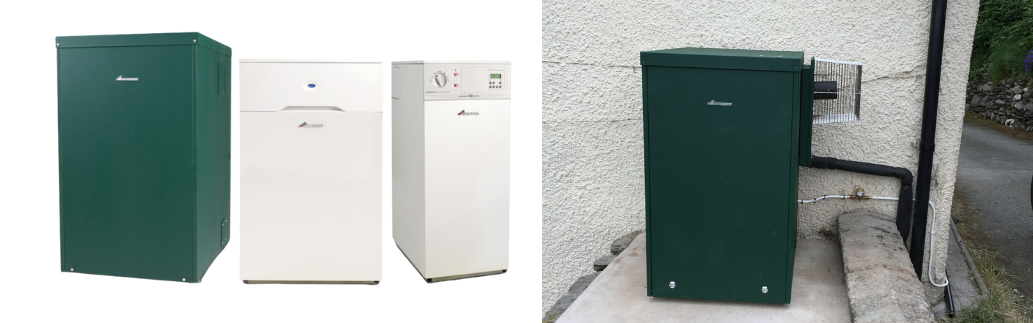
External oil boilers are a popular choice for homeowners in the UK seeking efficient heating solutions. These boilers offer numerous advantages, including space-saving and reduced indoor noise. However, to ensure the safe and responsible operation of external oil boilers, it’s crucial to understand and comply with specific regulations. Delve into the key regulations that you need to be aware of when considering an external oil boiler installation, including location regulations.
The Importance of Regulations
Regulations governing external oil boilers are designed to protect homeowners, the environment, and public safety. These regulations ensure that heating systems are installed, maintained, and operated safely and efficiently while minimizing the risk of accidents, oil spills, and environmental harm. Complying with these regulations is not just a legal requirement but also a responsible choice that contributes to a cleaner and safer environment.
Key Regulations for External Oil Boilers
Planning Permission
In some cases, planning permission may be required for the installation of an external oil boiler if it significantly alters the external appearance of your property. It’s essential to check with your local planning authority to determine if any permissions are necessary for your specific installation.
Building Regulations
External oil boiler installations must adhere to building regulations in England and Wales, including Part J (Combustion Appliances and Fuel Storage Systems) and Part L (Conservation of Fuel and Power). These regulations cover various aspects, including flue placement, fuel storage, ventilation, safety measures, and the location of the boiler itself. Ensuring compliance with building regulations is crucial to avoid fines and ensure the safety of your heating system.
Fuel Storage Regulations
Storing oil on your property requires strict compliance with environmental regulations in England and Wales. This includes using bunded oil tanks, which have a secondary containment layer to prevent oil spills and leaks from contaminating the environment. Regular inspections and maintenance of oil tanks are also essential to prevent potential hazards.
Location Regulations
When choosing the ideal spot to store an oil-fired boiler in England and Wales, consider the following factors:
- Distance from the Property: Regulations typically require a minimum distance between the boiler and the property. This distance can vary, but it is often around 2.5 to 3.3 feet (76 cm to 1 meter) to ensure safe access for maintenance and reduce the risk of fire hazards.
- Clearances: Ensure that the boiler has sufficient clearances from flammable materials, structures, and boundaries. Regulations specify the minimum clearances to prevent overheating and fire risks.
- Ventilation: Adequate ventilation is crucial for safe combustion and air quality. Regulations outline the required ventilation for external oil boilers to ensure proper operation.
- Minimum Distance from Openings: It’s essential to establish a safe distance from all openings in your property, including windows, doors, and vents. UK regulations mandate a minimum clearance of 3.3 feet (1 meter) between the oil boiler and these openings. This clearance ensures proper ventilation and safety in the event of maintenance or emergencies.
- Safe Distance from Driveways and Pathways: Ensuring a distance of at least 8.2 feet (2.5 meters) between your external oil boiler and driveways or pathways is crucial. This regulation takes into account the possibility of waste gases emitted by the boiler. In icy conditions, these gases can pose a hazard by causing road surfaces to become slippery. Maintaining this clearance helps prevent accidents and ensures the safety of pedestrians and vehicles.
- Unobstructed Flue Terminal Exit: Pay close attention to the placement of the flue terminal of your external oil boiler. Regardless of the direction in which the flue terminal is positioned, it should have an open-air exit. This means there should be no obstructions such as sheds, fences, or other structures that could block the flue terminal. Unrestricted airflow is essential for safe and efficient operation, as blockages can lead to reduced ventilation and potential safety hazards.
- Electrical Connections: During the installation of your external oil boiler, it’s crucial to be cautious around electrical routes within your property. To avoid interference and potential electrical hazards, ensure that the new piping or installation work does not encroach on electrical wiring or routes. Electricians often emphasize the importance of this precautionary measure when conducting new installations to prevent any risks associated with electrical systems.
Choosing the Right Installer
When selecting an installer for your external oil boiler and oil tank, it is important to consider the following:
Credentials: Look for certified and licensed installers with a track record of quality work and customer satisfaction.
Recommendations: Seek referrals and read reviews from other homeowners who have used their services.
Warranty and Service Contracts: Inquire about warranties and service contracts to ensure long-term support for your heating system.
Competitive Pricing: Request quotes from multiple installers to compare pricing and services
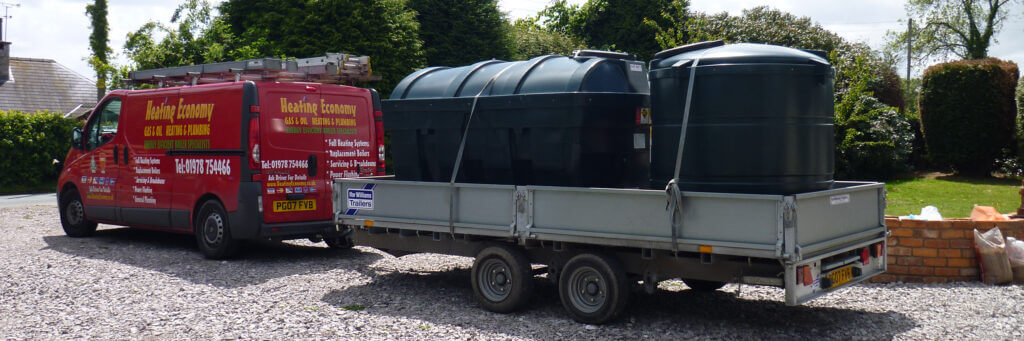
External oil boilers provide efficient and space-saving heating solutions for many homeowners in England and Wales. However, it’s imperative to be well-informed about and compliant with the regulations governing their installation, maintenance, and location. Neglecting these regulations not only carries legal consequences but also jeopardizes the safety of your property and the environment.
When considering an external oil boiler installation in England and Wales, always consult with qualified professionals who are well-versed in local regulations and guidelines. By adhering to these rules and taking responsible measures, you can enjoy the benefits of an external oil boiler while contributing to a cleaner, safer, and more energy-efficient home heating system by applicable regulations.
Contact Us
Contact us today for guidance you can rely on.
Your satisfaction is our top priority.